
Loyalty and Reviews: Why Your Best Customers Aren’t Leaving You Reviews (Yet)
Your most loyal customers are your most likely reviewers — but only if you ask at the right moment. Here’s why most businesses miss it, and what to do instead.

You’ve had the same customer in every week for two years. They know your team, they spend well, and they recommend you to friends. But if you search your business on Google right now, you’ll probably find a handful of reviews — some from strangers who visited once, maybe one or two from regulars who happened to think of it.
That gap between how good your customer relationships are and how visible those relationships are online is the problem this post addresses.
The loyalty-review gap that most businesses don’t notice
Most businesses manage loyalty and reputation as two completely separate tracks — one handled by the programme, one handled by whoever posted on the reviews page last. The connection between them is rarely made explicit, so it never gets used. Meanwhile, the customers most likely to leave a glowing review — your regulars — are never asked in a systematic way.
Why this happens
The ask feels awkward. Owners and staff worry about seeming pushy, so the request never comes. Or it comes at the wrong moment — at the counter during a transaction, when the customer is busy and their attention is split. The timing kills it before the words are out.
What this looks like in practice
A café owner puts a “please review us on Google” sign by the till. It’s ignored by regulars — who feel it’s not meant for them — and occasionally acted on by first-time visitors, whose reviews read like exactly what they are: surface-level impressions with no emotional investment in the business. The sign has been there for six months. The review count has barely moved.
of people asked to leave a review went on to leave one. The barrier is almost never willingness — it is whether you asked, when you asked, and whether you made it easy.
Source: BrightLocal Local Consumer Review Survey 2026 — brightlocal.com/research/local-consumer-review-survey/
The diagnosis: it’s a timing and targeting problem
The problem isn’t that your loyal customers don’t want to leave reviews. It’s that no one has given them a natural moment to do it. Review requests, when they come, are either at the wrong time or feel transactional — like a box being ticked rather than a genuine ask from a business that values them.
The most common cause
Businesses send review requests as part of general marketing — to everyone, at no particular moment. A loyal member who just redeemed a reward and had a great visit is in a fundamentally different headspace from someone who last visited six weeks ago. Sending the same message to both produces mediocre results from both. The mechanics are the same; the timing isn’t.
The signal you’re missing
Look at when your reviews arrive versus when your member redemptions happen. If they’re not correlated — if reviews spike after a promotional campaign rather than after a redemption event — you’re asking the wrong people at the wrong time. Your review data is telling you something your loyalty data could fix.
How to fix it
The fix is to connect your review request to your loyalty programme’s highest-goodwill moment: immediately after a member redeems a reward. Everything else follows from that.
The quick change
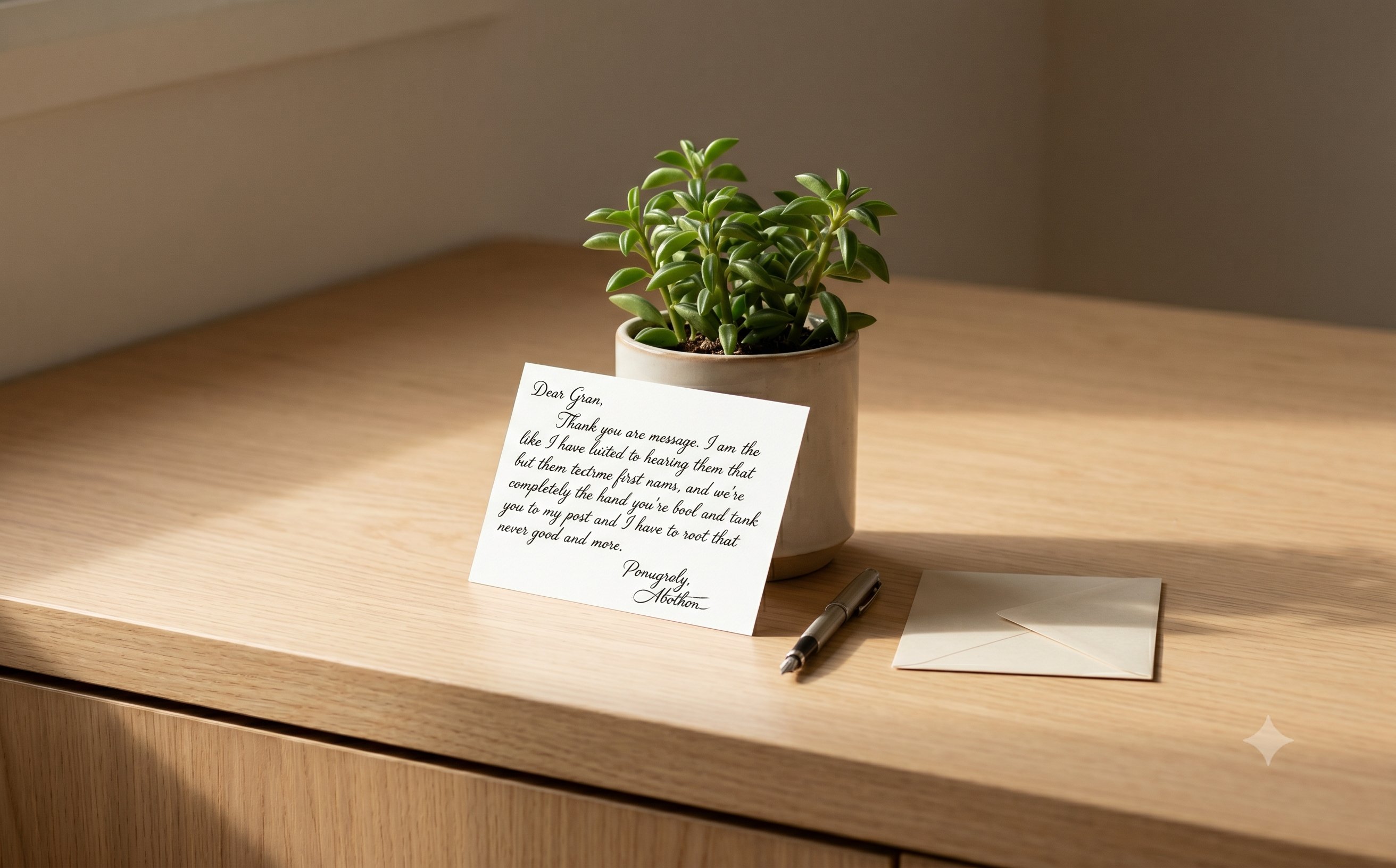
Identify your last 20 redemptions and personally message those members — not a form email, a short personal note. Thank them for their visit, mention something specific if you can, and add a single line: “If you ever wanted to leave us a review, we’d really appreciate it — it helps other local customers find us.” That’s it. No pressure, no incentive offered. A direct link to your Google review page removes the friction. Send it and note the response rate.
For more on using member data to personalise communication in a way that feels welcome rather than intrusive, see our post on using customer data without creeping them out.
Going further
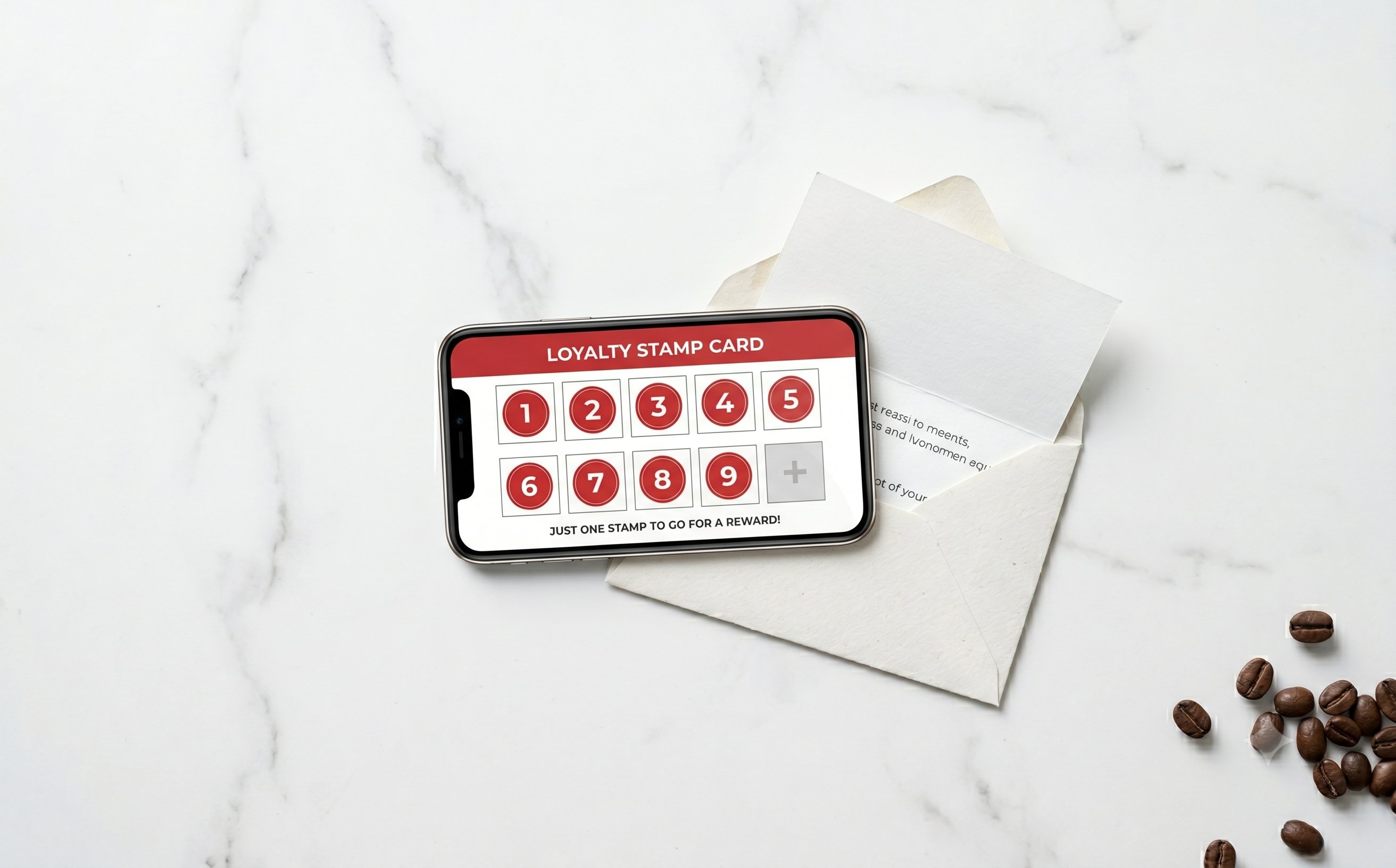
Automate the ask using your email platform, triggered by redemption. A short, warm message sent within 24 hours of a reward being used — personalised by member name — will consistently outperform a generic campaign. LoyaltyDog shows you exactly who has redeemed recently, so your team can time this without guesswork.
One thing to avoid: never offer loyalty points, stamps, or discounts in exchange for a review. Google’s guidelines prohibit incentivised reviews, and the risk of having reviews removed outweighs any short-term volume gain. The ask should feel like an invitation, not a transaction. For handling the moments when things go wrong, see our post on turning complaints into rave reviews.
Your loyal members are already your best advocates — they just need a well-timed, personal ask, not a mass campaign.
This week’s action
- Log in to your loyalty platform and pull the list of members who redeemed a reward in the last 30 days.
- Draft a single short message — four or five sentences, warm, no pressure. Include a direct link to your Google review page.
- Send it to that group only. Not your whole list — just recent redeemers.
- Note how many reviews arrive in the next two weeks. Use it as your baseline.
- Set a monthly reminder to repeat this, or set up an automated trigger in your email platform for future redemptions.
Frequently asked questions
Can I offer a reward in exchange for a review?
No — and this matters. Google’s review policies prohibit offering incentives such as discounts, loyalty points, or gifts in exchange for reviews. Reviews obtained this way can be removed, and repeat violations can affect your listing. The ask should be relational rather than transactional: you’re inviting a customer who already values you to say so publicly.
How many Google reviews does a small business actually need?
There’s no magic number, but recency and quality matter more than volume. Ten recent, detailed reviews from clearly genuine customers will serve you better than 50 old generic ones. Aim for one or two a month from your loyal member base — consistent, steady activity — rather than a one-off spike.
What if a loyal customer leaves a negative review?
Respond promptly, calmly, and specifically — acknowledge what went wrong without being defensive. A well-handled negative review often builds more trust than a string of uncontested positives. If you know the customer, reach out privately as well. Our post on turning complaints into rave reviews covers this in full.
See which members redeemed recently
LoyaltyDog shows redemption activity across your whole member base — so you can make your review requests personal, timely, and effective.
See how it works →